Many homeowners assume limited space means limited options, but in practice the opposite is true. Compact outdoor spaces demand clearer thinking, stronger structure, and more intentional design decisions. When done properly, a small garden can feel calm, functional, and surprisingly generous.
The key is layout. Layout determines how the space is used, how it feels when you step into it, and how much maintenance it demands over time. Below are the most effective garden layouts for compact outdoor spaces, explained through practical design logic rather than trends or decoration.
Layout Over Style
In compact gardens, poor layout shows immediately. Awkward circulation, unusable corners, and cluttered planting make a space feel cramped and stressful. A good layout does the opposite. It creates order, directs movement, and allows the eye to rest.
Rather than asking what features you want, the better starting point is how the garden needs to work. Seating, access, drainage, storage, and maintenance all influence layout decisions. Once those are resolved, style follows naturally.
1. The Zoned Layout
One of the most effective layouts for compact outdoor spaces is zoning. Instead of treating the garden as one open area, it is divided into clear functional zones.
A typical zoned layout might include a seating area, a circulation route, and a planting zone. These areas do not need physical barriers. Subtle changes in surface material, level, or planting density are enough to define each zone.
Zoning works because it introduces depth. When the eye moves from one area to another, the garden feels layered rather than flat. This sense of progression makes even small spaces feel more expansive and intentional.
2. The Linear Layout
Narrow gardens present a specific challenge, but they also benefit most from disciplined layout design. The most successful approach is often linear rather than symmetrical.
Instead of placing features directly opposite each other, the layout guides movement along one side, allowing planting or structure to build on the other. This prevents the garden from feeling like a corridor and introduces visual rhythm.
Long, uninterrupted lines should be avoided. Breaking the length into segments with planting beds, changes in texture, or slight shifts in direction helps control scale and adds interest without clutter.
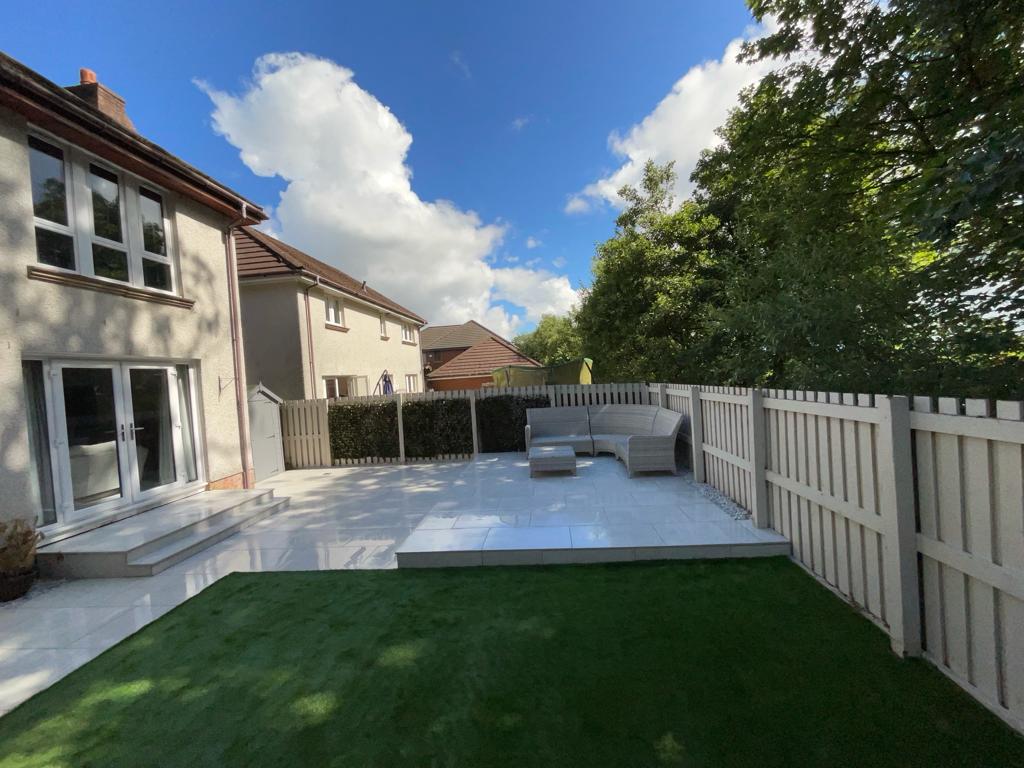
3. The Courtyard Layout
Courtyard-style layouts are ideal for compact gardens surrounded by walls or fences. Rather than fighting enclosure, this layout embraces it.
The focus is usually a central seating or hard landscaped area, with planting and vertical elements used to soften the boundaries. Because the space is enclosed, the layout feels intentional and protected, which is particularly valuable in exposed or urban settings.
Courtyard layouts benefit from strong materials and limited plant palettes. Too much variation makes the space feel busy. Simplicity creates calm.
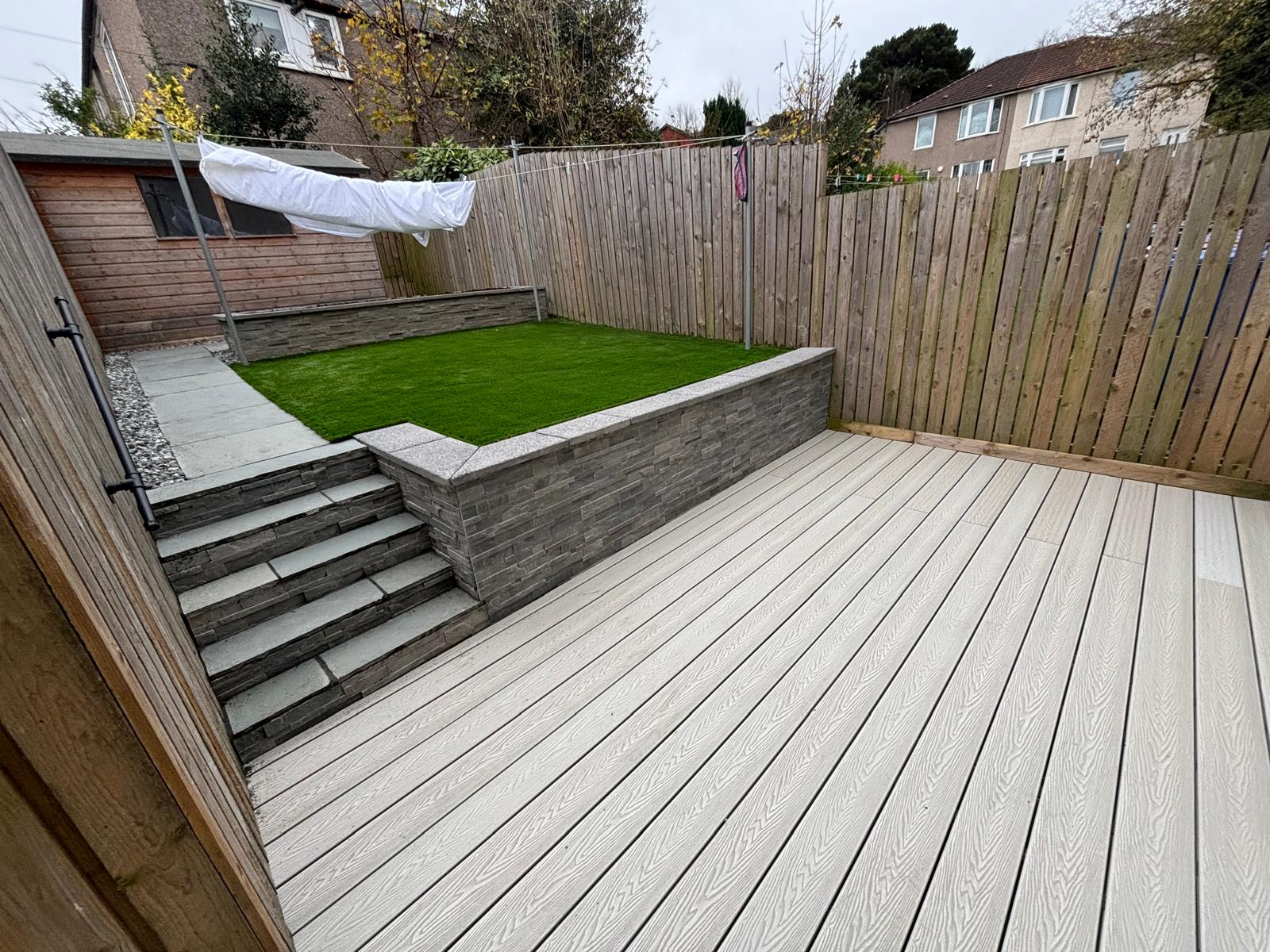
4. The Split-Level Layout
Small gardens with level changes are often seen as problematic, but split-level layouts can actually improve usability.
By introducing steps or raised platforms, the garden gains structure and purpose. Each level can serve a different function, such as seating on one level and planting on another. This not only improves drainage and access but also creates visual interest.
The key is restraint. One or two level changes are usually sufficient. Too many levels make compact gardens feel fragmented.
5. The Minimalist Layout
Minimalist layouts are increasingly popular in compact outdoor spaces, particularly where maintenance time is limited.
This layout relies on a strong hard landscaped framework, clear geometry, and carefully placed planting. Lawns are often reduced or removed entirely. Instead, planting is concentrated in defined beds or raised planters where it can be controlled.
Minimalist layouts work well because they reduce visual noise. In a small garden, clarity always feels more spacious than abundance.
Bonus Tip: Plants to Support the Layout
Planting should reinforce the layout, not fight it. In compact gardens, fewer plants used consistently are more effective than many different varieties.
Evergreen structure provides year-round definition, while seasonal planting adds interest without overwhelming the space. Vertical planting is particularly valuable, as it adds greenery without consuming ground area.
Well-placed planting can also guide movement, screen utilities, and soften hard edges, all without compromising usable space.
Circulation: How You Move Through the Garden
Circulation is often overlooked, yet it has a major impact on how a small garden feels.
Paths should feel deliberate, not squeezed in. Even a simple stepping route creates a sense of flow and prevents wear patterns on planting or paving. Direct routes usually work best, but gentle curves can soften rigid spaces when used carefully.
Good circulation also supports safety and usability in poor weather, which is especially important in compact gardens where every surface matters.
Common Layout Mistakes to Avoid
The most frequent mistake in small gardens is trying to include too much. Multiple seating areas, oversized features, and excessive planting quickly overwhelm limited space.
Another common issue is designing from the edges inward rather than from use outward. When layout decisions are driven by decoration instead of function, the garden rarely works as intended.
Compact gardens demand discipline. Every element must earn its place.
Ready to Make the Most of Your Outdoor Space?
If your garden feels cramped, underused, or difficult to maintain, the issue is rarely size. It’s layout. A well-planned layout can transform even the most compact outdoor space into a garden that feels calm, practical, and genuinely enjoyable to use.
At Glesga Garden Guy, we specialise in designing compact gardens that work with Glasgow’s climate, property styles, and real lifestyles. Every design starts with how the space needs to function, then builds beauty on top of that foundation.
If you’re considering updating your garden and want expert guidance rooted in real-world experience, get in touch to discuss a layout that’s designed properly from the ground up.